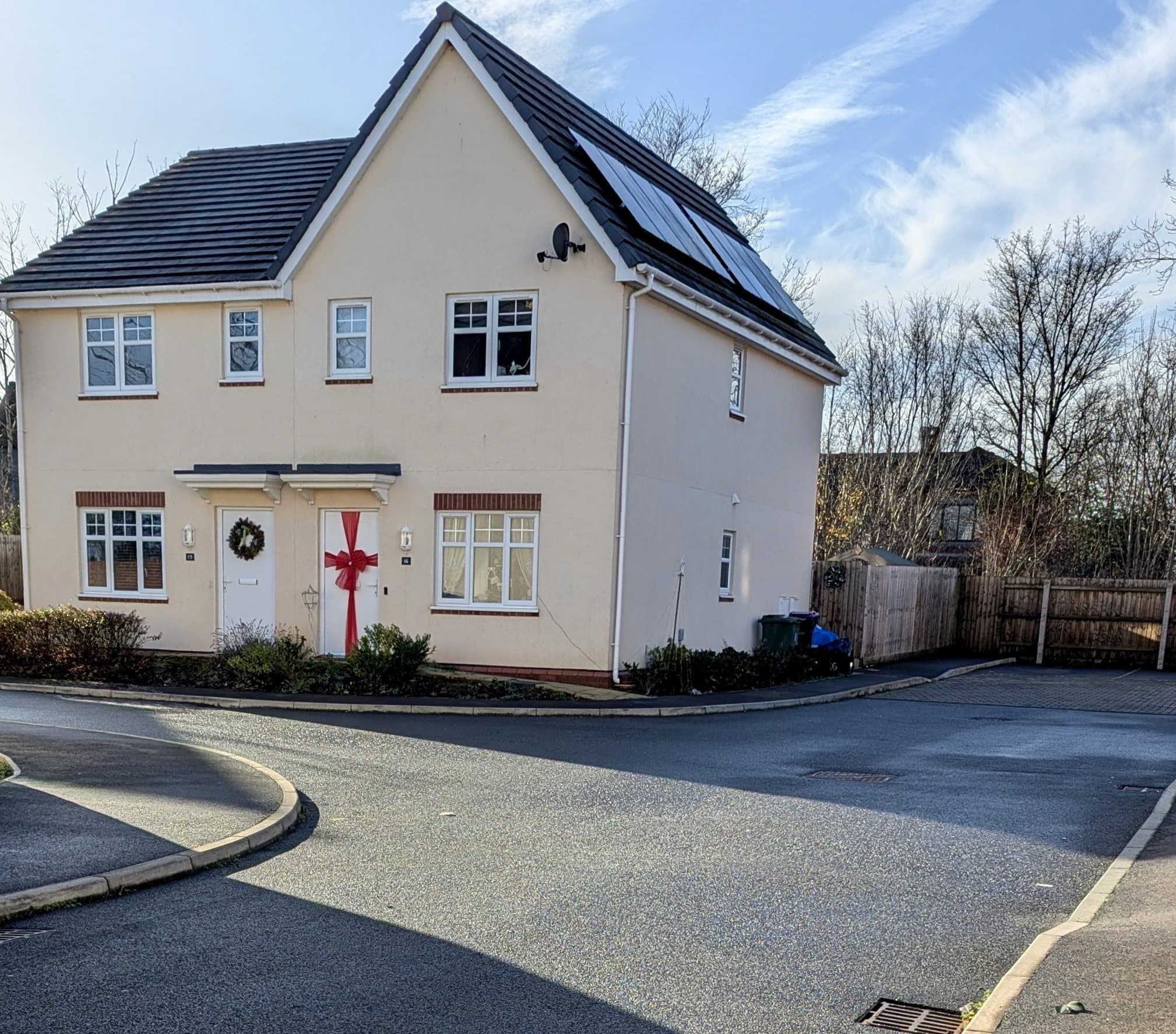
Residential solar
For homeowners. We assess your roof and your household’s electricity use, then design and install a system sized to both.
HELIOS
Turning daylight into something more
Thoughtfully designed solar installations that help homes and businesses make better use of every sunny day.
Move your pointer to move the sun. Scroll to rise over the field.
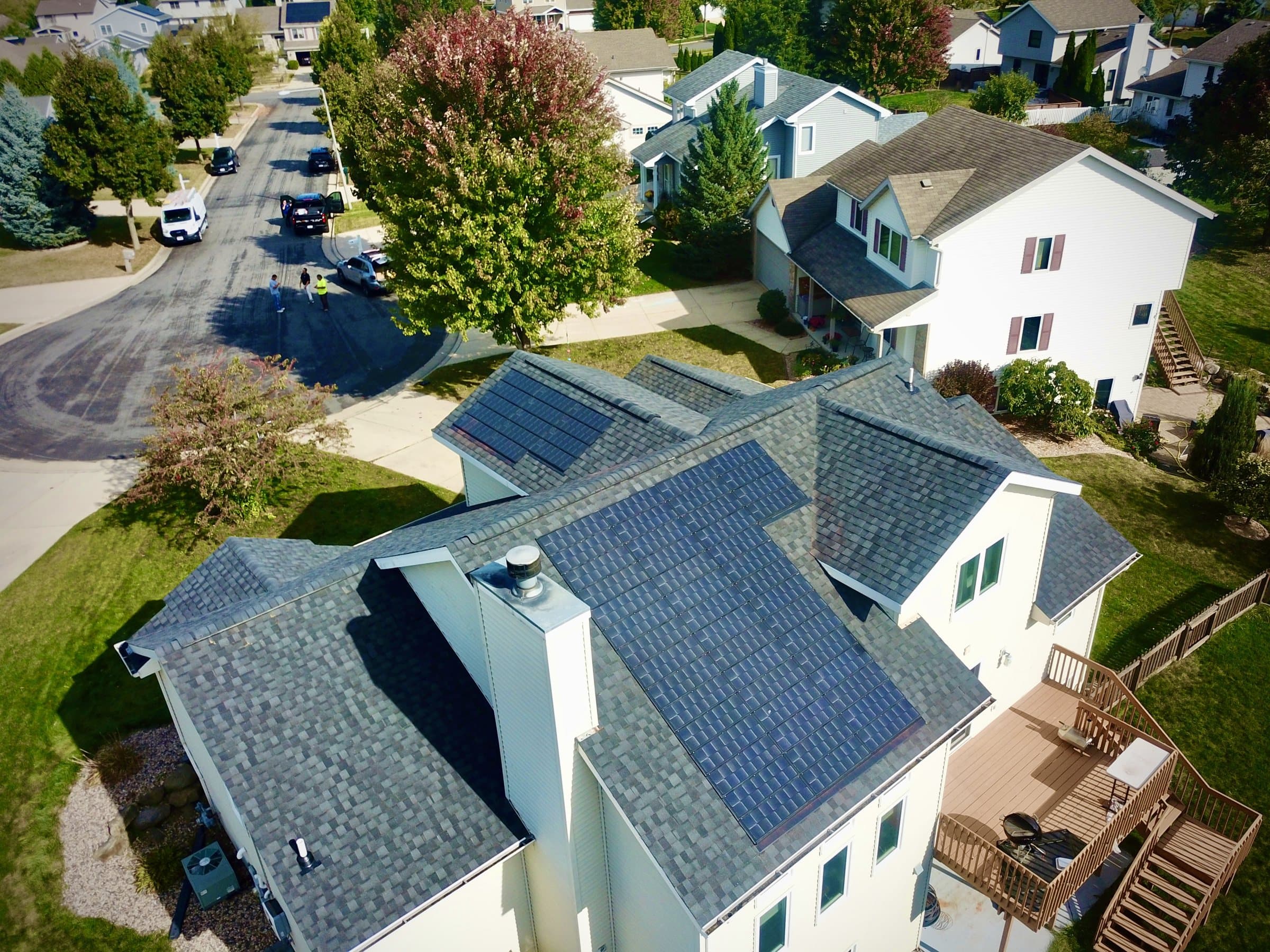
The sun rises on your roof every morning. Solar panels turn that light into electricity.
A solar installation generates electricity whenever daylight reaches its panels. How much it produces depends on the property: the roof, the shade around it, the equipment and the weather.
That is why we design each system around the building it sits on and the people who use it.
Panels collect sunlight and convert it into direct-current electricity.
An inverter converts that DC electricity into AC, the form compatible building loads use.
Generated electricity can supply the property's loads, subject to system design and operating conditions.
Where supported and permitted, surplus electricity may be exported to the grid or stored in a compatible battery.
For homeowners. We assess your roof and your household’s electricity use, then design and install a system sized to both.
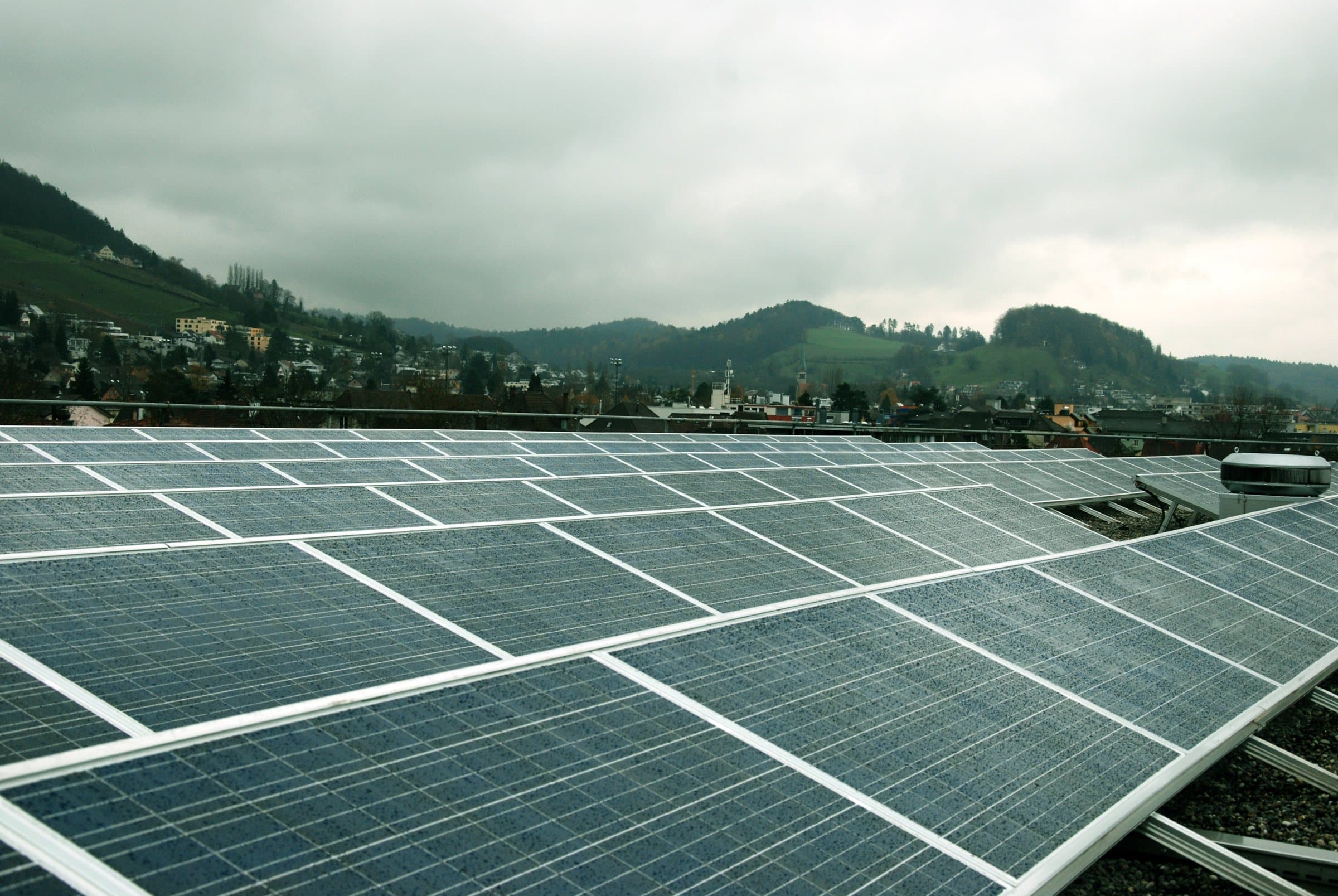
For businesses and property owners. We study your site, your consumption profile and your operating constraints before recommending a system.
A solar installation is a small number of parts, each with one job. This is how they connect in a typical building.
Generate DC electricity from daylight.
Converts DC into the AC electricity the building uses.
The building's board routes electricity to its circuits.
Lighting, appliances and equipment draw what they need.
Supplies the building when generation is low and, where permitted, can receive surplus.
The dashed unit is an optional battery, shown for context. The moving line is an educational illustration of how energy can flow, not live data from a system.
Every installation follows the same order, so you always know what has happened and what comes next.
We start with your property, your electricity use, your goals and the space available for installation.
We look at roof condition, shading, electrical needs and any site constraints.
We propose a system suited to the property and explain the reasoning behind it.
We coordinate installation, electrical work, safety and inspections.
We test the system and hand over the agreed documentation.
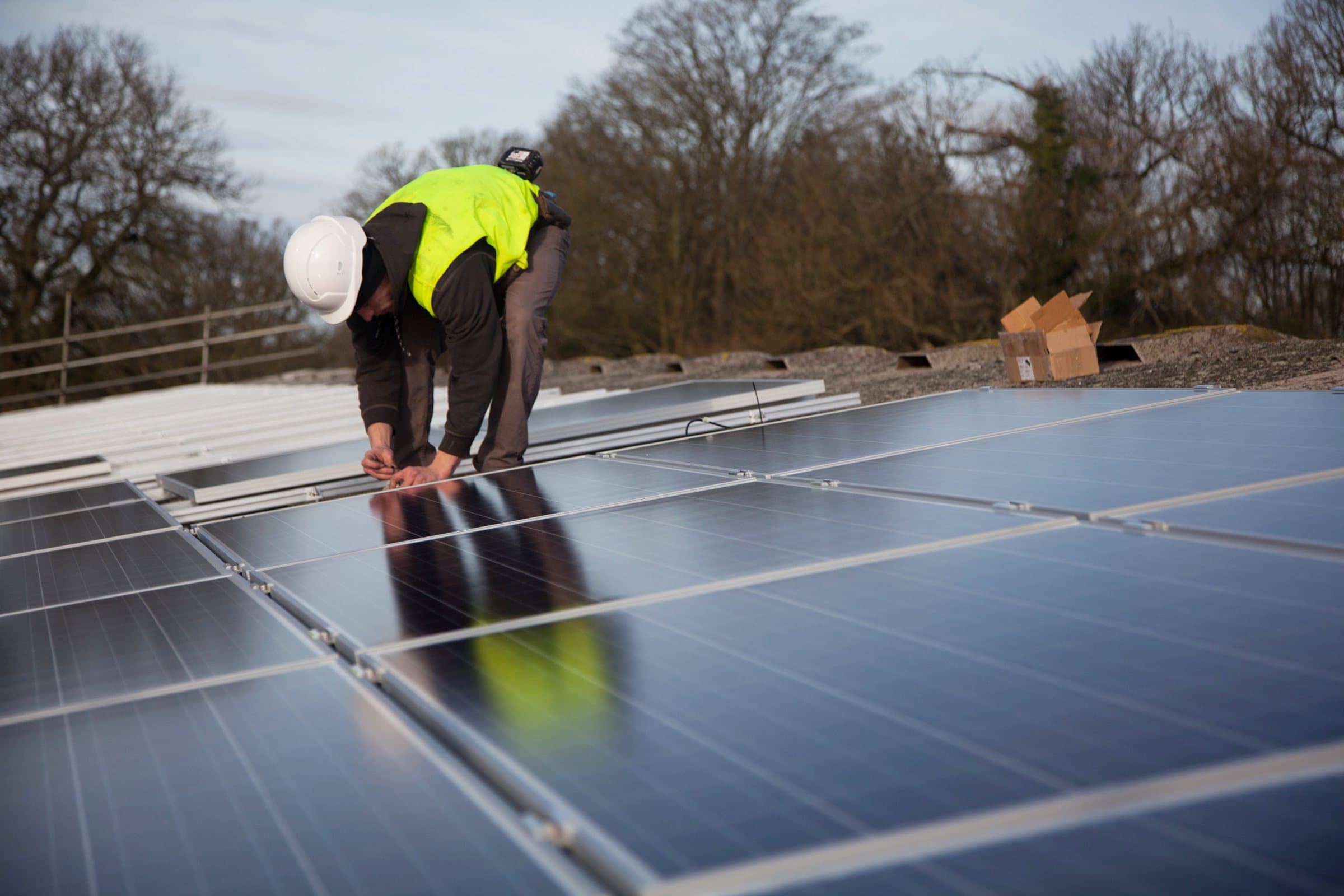
Electricity generated on your roof may be used on site as it is produced. How much depends on when you use power, how the system is sized and how your property is wired.
Sizing, usage patterns, export arrangements and storage all affect what a system can do for you. We explain each one and the assumptions behind it before you decide.
A system is on your roof for a long time. Installation quality, maintenance and the actual warranty terms matter more than a headline figure.
Placeholder: HELIOS project photography and details have not been supplied. The entries below are layout samples using stock photographs.
Location to be supplied, capacity to be supplied
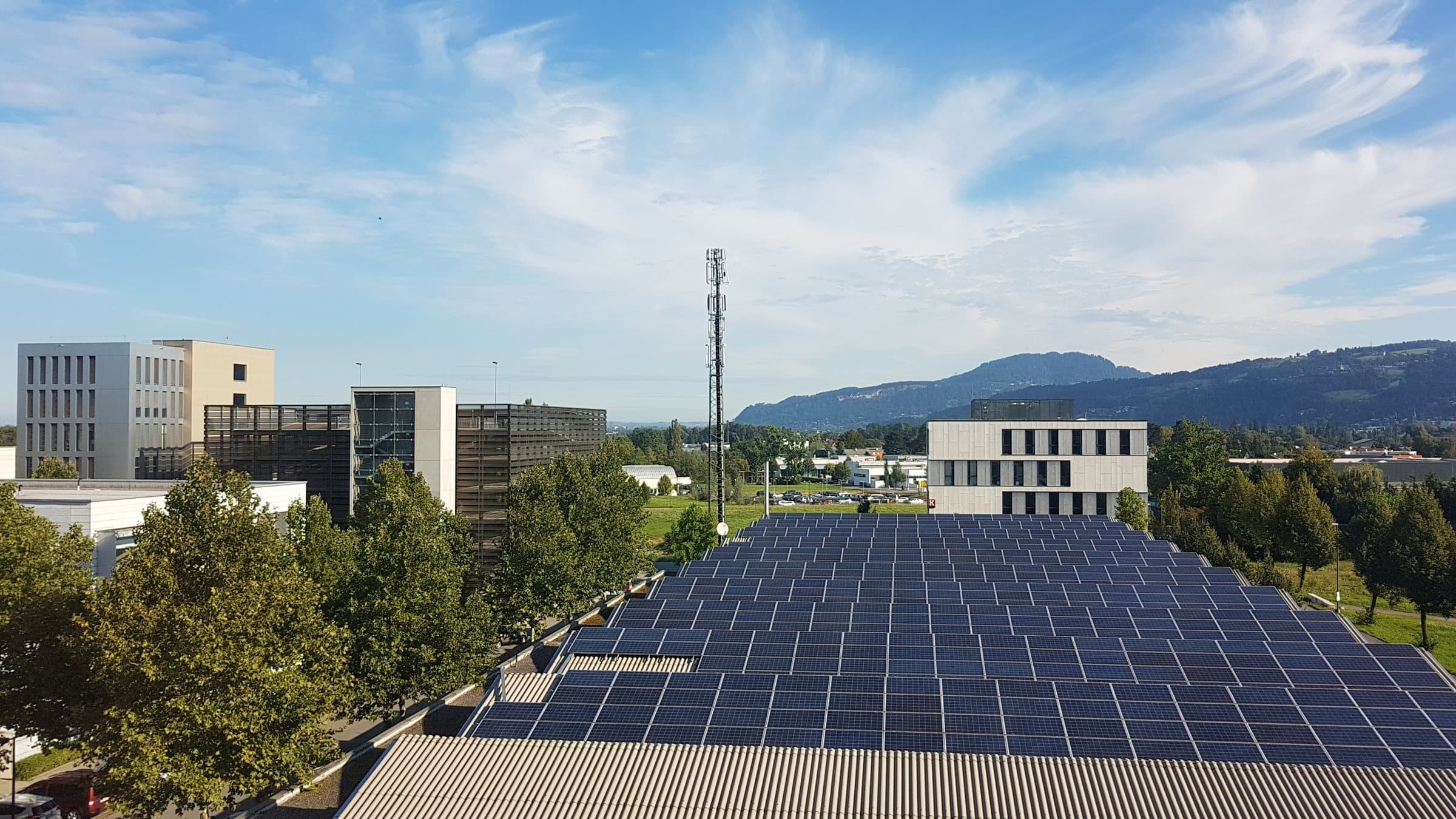
Location to be supplied, capacity to be supplied
Location to be supplied, capacity to be supplied
You should be able to check who is working on your roof. This is where our qualifications, warranty terms and customer feedback belong.
Placeholder: Not yet supplied by the company. Nothing below is published as a claim.
Tell us about your property, and we’ll help you explore a solar solution that fits your needs.
Placeholder: Phone number to be supplied